

If you’ve been trying to grow your website or blog, you’ve probably noticed that traditional keyword-only strategies don’t work the same way anymore. Google now looks for clarity, structure, and depth not just scattered articles targeting random keywords.
That’s why more bloggers and marketers are turning toward topic cluster optimization. It offers a cleaner, more organized approach to building content that actually ranks well.
In this article, we’ll break down the idea in a simple, friendly way so you can understand how topic clusters work and how they can help your site earn higher visibility.
Table of Contents
Topic Cluster Optimization
What is a Topic Cluster Strategy?
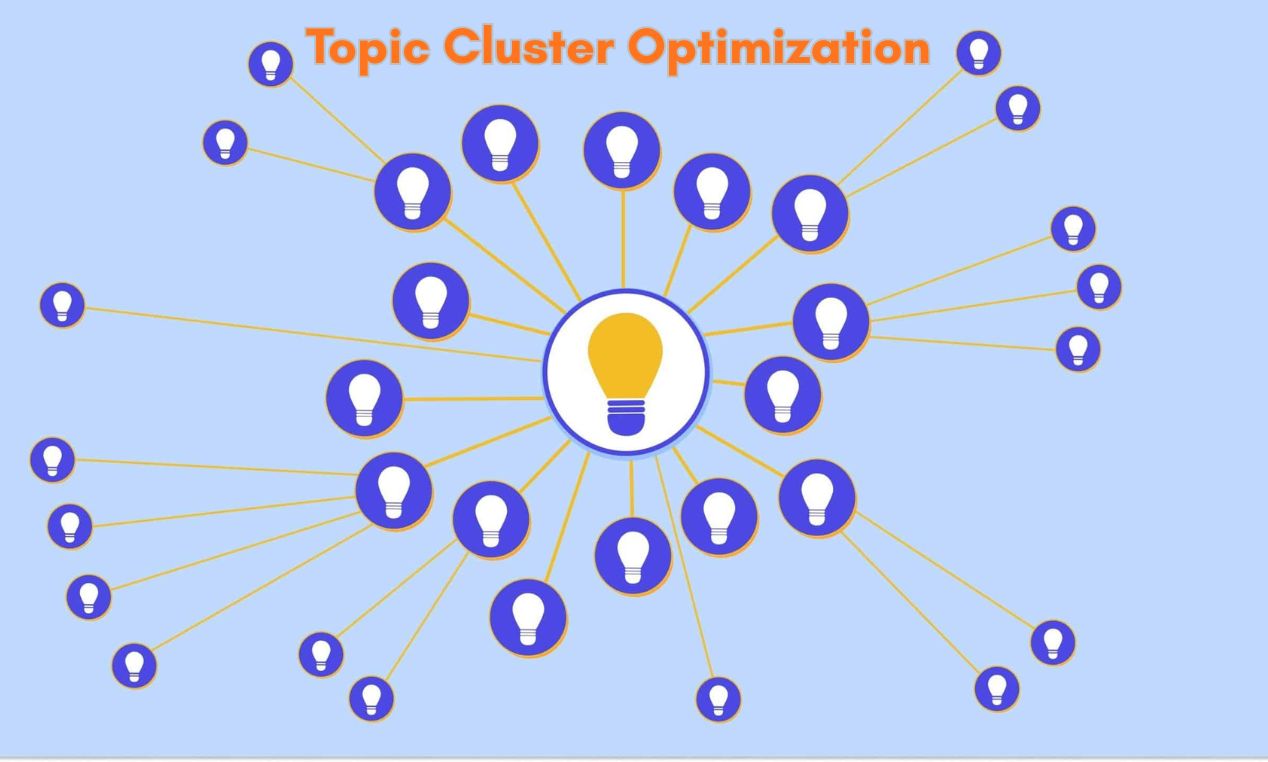
A Topic cluster strategy is an approach where you build content around one main topic and support it with several related subtopics. Think of it like a tree the main pillar page is the trunk, and the supporting articles are the branches that connect back to it.
This method is also a powerful part of topic cluster optimization, which helps structure your content in a way that search engines understand easily.
Instead of writing dozens of unrelated posts, you build a structured group of content that answers a complete set of queries around one main idea. This helps users find information quickly and shows search engines that your website has strong authority on the topic.
How to Rank Higher on Search Engine Optimization?
Ranking higher on search engines is not just about adding keywords. It’s about helping Google understand your website better. Topic clusters support this by creating a clear content structure. Here’s how to use them to improve your SEO performance:
1. Start with a Main Topic
Choose a broad subject you want to be known for. This becomes your main pillar page. Make it detailed, helpful, and easy to navigate.
2. Break It Into Subtopics
These subtopics become your cluster pages. Each one should focus on a specific part of the main topic. For example, if your pillar is “Healthy Eating,” your cluster pages might focus on meal planning, nutrition basics, or healthy recipes.
3. Link Everything Together
Internal linking is the heart of cluster SEO. Your pillar page should link to all supporting articles, and those articles should link back to the pillar page. This helps Google understand the relationship between your pages.
4. Update and Refresh Regularly
Content clusters work best when they stay updated. Add new subtopics as your niche grows, and refresh older posts with recent information. This shows search engines that your site is active and relevant.
5. Keep the Reader in Mind
Even the best SEO strategy won’t work if your content isn’t helpful. Write in a clear, simple way that answers real questions. This makes readers stay longer on your site, which naturally supports better rankings.
Content Cluster Strategy: Why It Works
A good content cluster strategy helps you organize your site in a way that both readers and search engines appreciate. Here’s why it’s so effective:
- It builds topical authority. When all your content supports one central theme, Google sees you as a reliable source.
- It reduces content gaps. Clusters help you cover a topic from all angles.
- It improves navigation. Readers find related topics easily, which improves engagement.
- It increases indexing speed. Clear linking patterns help Google crawl your site more efficiently.
- It encourages longer sessions. When readers find useful related content, they stay longer, explore more, and return often.
These factors add up and contribute to higher search rankings in a natural, steady way.
How Topic Clusters Support Sustainable SEO Growth
Topic clusters are not a quick shortcut. They’re a long-term system that strengthens your site’s foundation. When you arrange your blog into well-structured topic groups, your content feels more organized and easier to follow. This improves user experience, which has become a big part of modern search algorithm preferences.
Search engines also use context to understand content better. With clusters, you give Google clear signals about your niche, your expertise, and the connections between your pages. Over time, this can help your posts move higher in search results even older posts, since they benefit from the overall cluster strength.
Conclusion
Topic cluster optimization is a clean and simple way to improve your blog’s ranking without overthinking keywords. By focusing on structure, clarity, and helpful content, you build a site that readers trust and search engines understand easily.
Whether you’re using tools like a topic cluster generator or planning your clusters manually, this approach supports long-term SEO growth and helps you stay organized as your content library expands.











1 thought on “Topic Cluster Optimization: A Clean Strategy for High-Quality Ranking”