

If you’ve been blogging for a while, you might have noticed that ranking isn’t only about keywords anymore. Google is getting better at understanding what a website represents, not just the words written on a page.
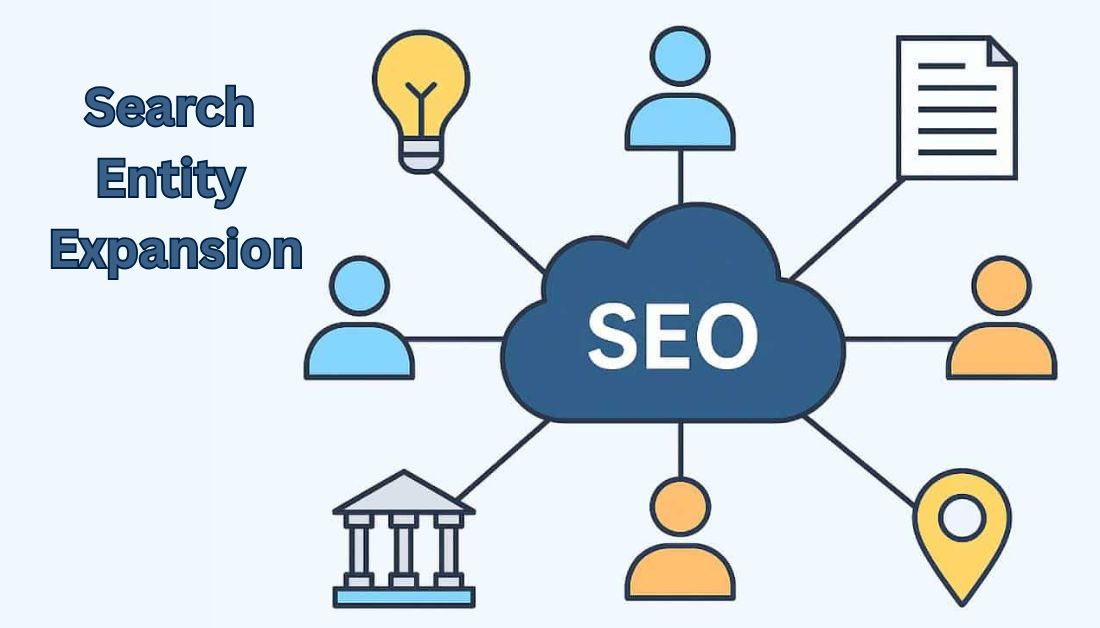
This is where search entity expansion comes in. It’s a simple idea: instead of only targeting keywords, you build your blog into a recognizable topic source.
In this article, we’ll talk about how this works, why it matters, and how you can apply it without making things complicated. Think of it like growing your blog from a collection of articles into a trusted identity that search engines can understand.
Table of Contents
Search Entity Expansion
What is an entity in SEO?
Before you start working on search entity expansion, it helps to understand what is an entity in SEO?
In simple terms, an entity is anything Google can identify clearly a person, place, brand, topic, or even a concept.
For example:
- “Digital marketing” is an entity
- “Yoga for beginners” is an entity
- Your blog can also become an entity if it consistently covers a topic with depth
This shift is the foundation of search entity expansion growing your presence in a way that helps search engines see your blog as more than a collection of isolated posts.
How to build a SEO strategy?
To support entity growth, you need a clear plan. So, how to build a SEO strategy?
Instead of jumping into random topics, start with three simple steps:
- Pick a core topic
Choose something your blog wants to be known for. It should be specific enough to stand out but broad enough to allow growth. - Create related subtopics
These form the supporting content around your main theme. Each article answers one angle of the topic instead of repeating the same idea. - Connect your content internally
Internal linking helps Google understand relationships, and it helps users explore more pages.
How do you build topical authority?
Now let’s talk about how do you build topical authority?
Topical authority happens when both users and search engines see your blog as reliable for a subject. You don’t need hundreds of posts just consistency and clarity.
Here’s what helps:
- Cover a topic from multiple angles instead of repeating the same keyword
- Use simple, direct writing that answers real questions
- Update older posts instead of letting them sit untouched
- Link to trusted external sources when helpful
- Keep internal links natural and purposeful
Many bloggers think authority comes from publishing every day, but it actually comes from building depth, not volume.
SEO strategy in digital marketing
If you’re wondering how this fits into the bigger picture, think of SEO strategy in digital marketing.
Search entity expansion isn’t a replacement for keyword research it strengthens it. Digital marketing today is shifting from “how many keywords can I target?” to “how clearly does my content represent a topic?”
A few practical tips:
- Use structured headings that make your content easy to scan
- Answer related questions that users commonly search
- Keep your writing human and readable
- Avoid stuffing keywords to impress algorithms
Even something as simple as improving your website layout can help. For example, web designers sometimes use patterns like search expand on click CSS to display hidden FAQ sections. While this is more of a design element, it supports better user experience, which indirectly helps SEO.
The goal is not to chase algorithms but to make your blog a helpful space that Google can understand without confusion.
Expanding search visibility with simple steps
You don’t need complicated tools to begin expanding search presence. Start with what you already have:
- Look at your existing articles and group them by topic
- Add missing subtopics instead of jumping to unrelated themes
- Link new posts back to older ones when relevant
- Use clear page titles that match search intent
Some bloggers like keeping a personal reference list, similar to a SEO strategy example PDF, just to stay organized. You don’t have to download anything even a simple notes file works.
Once Google recognizes your blog as a steady source on a subject, you’ll notice better indexing, more stable rankings, and improved visibility over time.
Conclusion
Search entity expansion is simply about helping search engines understand what your blog stands for. Instead of chasing every new update, you build long-term clarity by:
- Choosing a main topic
- Publishing supporting content
- Connecting your pages naturally
- Staying consistent instead of random
When your blog grows into a recognizable topic brand, rankings stop feeling unpredictable and your audience knows exactly why they should come back. If you want more help creating topic clusters or planning subtopics, just tell me anytime.








1 thought on “Search Entity Expansion: A Simple Strategy to Build Topic Authority for Your Blog”