If you’ve been following SEO for a while, you already know how quickly things change. One year, everyone is talking about backlinks. The next year, it’s Core Web Vitals. And then a fresh Google update shows up and shifts the entire landscape again. But there’s one ranking factor most people still don’t pay attention to prediction-driven SEO.
This idea is becoming more important with every Google update. Instead of only measuring what users already did, Google is beginning to predict what they will do.
This means search rankings are now shaped by user patterns, expectations, and future behavior not just current metrics. Let’s break this down in a simple way, so it feels like a regular conversation rather than a technical SEO lesson.
Table of Contents
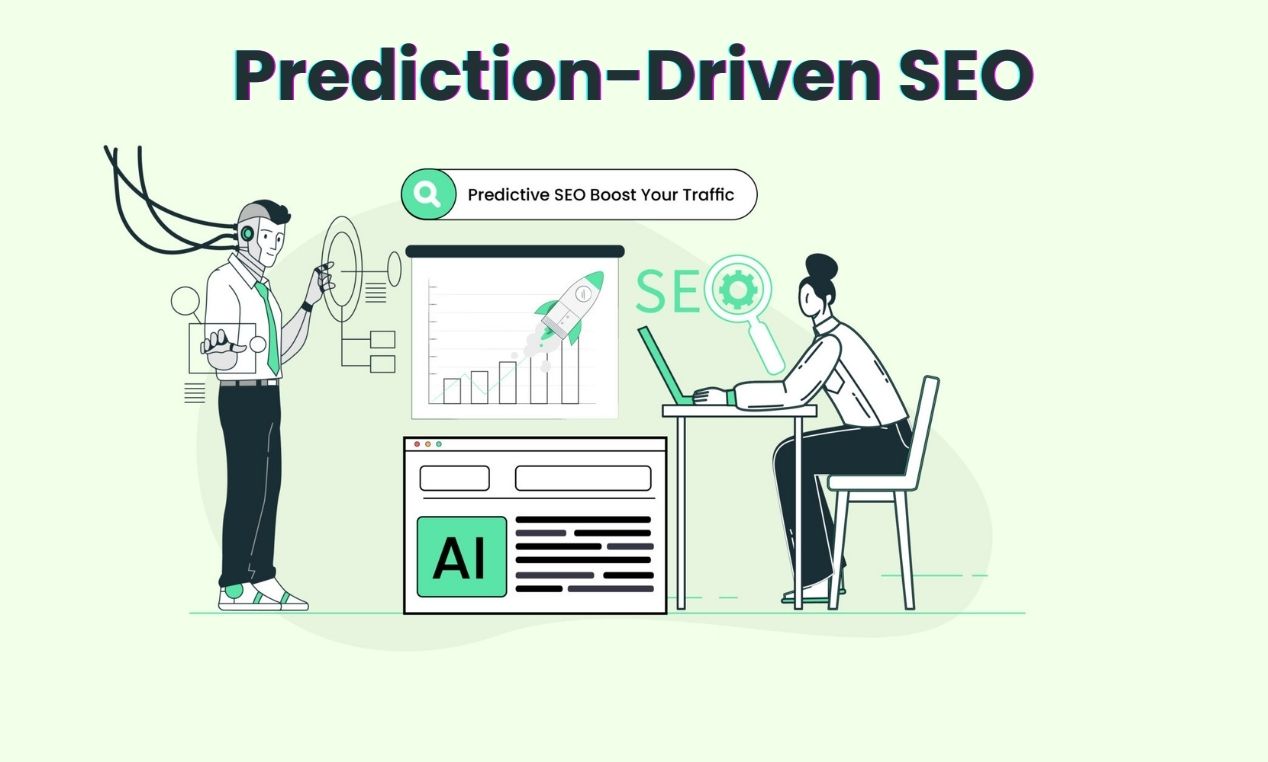
Prediction-Driven SEO
Which factor is most important for SEO ranking?
If you ask ten SEO professionals about the most important ranking factor, you’ll probably get ten different answers. Some say content quality. Some say backlinks.
This is where prediction-driven SEO steps in. Google watches how users behave on millions of pages and then predicts what they’re likely to prefer next.
So instead of waiting for metrics to catch up, Google is slowly elevating content that fits future demand patterns. This shift affects everything from search visibility to click-through rate.
Which one of the following factors will not affect SEO ranking?
There’s a common idea floating around that Google uses hundreds of ranking factors. You’ll often hear people mention Google 200 ranking factors or lists about the top 10 SEO ranking factors. While many of these are helpful, not everything has a direct impact.
For example, design style alone doesn’t affect ranking. A site can be colorful, plain, minimal, or bold none of that directly boosts SEO. What matters is how users respond to the design. Do they stay? Do they scroll? Do they return?
mdata driven prediction and the future of ranking signals
A big part of how prediction-driven SEO works is through patterns. Google gathers huge amounts of behavioral data and identifies what users tend to do next. This mdata driven prediction system helps Google understand:
- which pages users will find helpful
- which content they may revisit
- which topics may trend soon
- which formats keep people engaged
- which results most likely satisfy intent
This means Google is no longer analyzing pages in isolation. It compares your content to user expectations and predicts your usefulness before they even click.
SEO ranking factors 2025: what’s changing?
As we move into 2025, the way Google evaluates content is shifting toward long-term behavior rather than short-term metrics. SEO ranking factors 2025 are likely to be more behavior-driven, such as:
- consistency of user engagement
- whether people share or save your content
- return visits over time
- predictive engagement signals
- intent-matching structures
This doesn’t mean traditional SEO dies. Instead, predictive analysis becomes an added layer on top of what already exists. Google wants to rank pages that people will find helpful not just what they liked last week.
What is your top prediction on the future of SEO and why?
If I had to make one clear prediction, it would be this:
SEO will move from a reactive approach to a predictive one.
Instead of optimizing content after rankings drop or updates roll out, smart creators will design pages that match long-term user patterns. This means:
- writing content that stays useful
- understanding user emotion and search intent
- focusing more on clarity than keyword stuffing
- building pages people want to come back to
- offering depth instead of shallow answers
Google’s direction is leaning heavily toward predicting value. Content with lasting relevance not temporary tactics will win.
Most important Google ranking factors in a predictive world
When prediction-driven SEO becomes stronger, these elements will matter even more:
- usefulness over keyword density
- reader trust and return visits
- clarity and structure
- natural flow of information
- depth of coverage on a topic
- long-term engagement patterns
So while many chase shortcuts, the most important Google ranking factors will be built on how well you understand your audience not how well you manipulate metrics.
Wrap-up
Prediction-driven SEO may not be the most talked-about ranking factor today, but it’s definitely shaping the future. Google wants to show results that people will find helpful, not just pages that hit a checklist of ranking signals.
When your content matches user needs, earns trust, and keeps people engaged over time, Google begins to see future value in it. And that’s when your rankings become stronger and more stable.