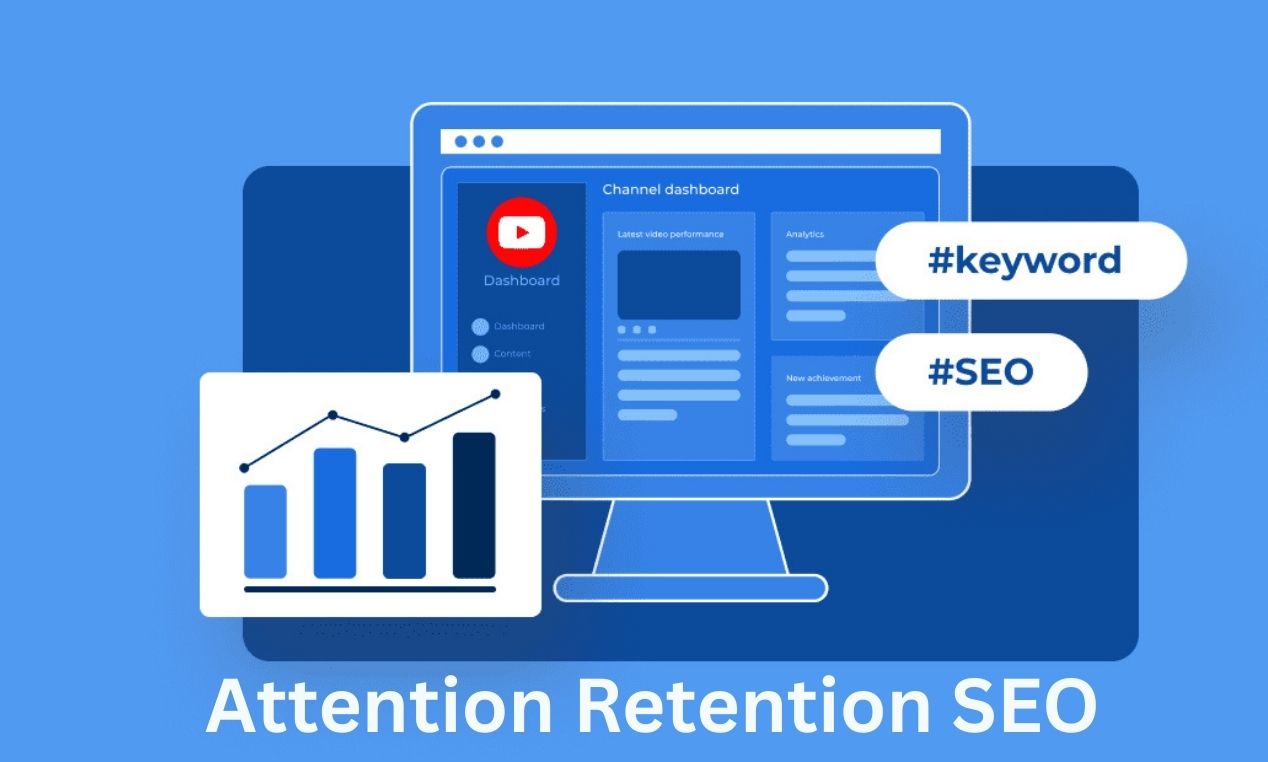
When people talk about SEO, rankings usually come up first. But ranking alone doesn’t tell the full story. What really matters is what happens after someone clicks your link. Do they stay? Do they read? Or do they leave right away? This is where attention retention SEO comes into play.
It focuses on whether users actually care about your content once they arrive. Google pays close attention to this behavior, even if it doesn’t talk about it openly.
Table of Contents
Attention Retention SEO
Attention and Retention Meaning in SEO
Before going deeper, it helps to understand the attention and retention meaning in a simple way. Attention is about grabbing interest. Retention is about keeping it. In SEO terms, attention gets the click, but retention keeps the user on the page.
A page can rank well and still fail if users leave too quickly. On the other hand, a page that holds attention, even if it starts lower, often improves over time. That’s why retention SEO is becoming more important than ever.
How Does Google Determine SEO Beyond Keywords?
Many people ask, how does Google determine SEO if it’s not just keywords anymore? The short answer is behavior. Google looks at how users interact with search results.
If users click a result, spend time reading, scroll through the page, and don’t rush back to search, that’s a good sign. It tells Google the page matched the intent. This is where attention retention SEO quietly supports better visibility.
SEO Performance Full Form and What It Really Reflects
The SEO performance full form is “Search Engine Optimization performance,” but performance isn’t just about impressions or clicks. It’s also about how users behave after clicking.
Strong SEO performance means users find what they need and stay engaged. Weak performance often shows up as short visits and quick exits. Retention fills the gap between traffic and real value.
Retention SEO and Long-Term Growth
Retention SEO focuses on building pages people want to return to. This isn’t only about blog posts. It applies to service pages, guides, and even FAQs.
When users remember your site and come back directly instead of searching again, it sends a powerful signal. Google sees this as trust. Over time, this trust supports stronger rankings without constant content updates.
How Will SEO Help in the Retention of Existing Customers?
A common business question is, how will SEO help in the retention of existing customers? The answer lies in consistency and clarity.
When your content answers follow-up questions, explains things clearly, and stays updated, users don’t need to look elsewhere. SEO helps them find you once, and good retention keeps them coming back. This reduces dependence on ads and builds long-term value.
Measure SEO Extension and User Behavior
Tools like a measure SEO extension help site owners see how pages perform in search. While these tools focus on metrics like titles, links, and structure, they indirectly support retention.
A well-optimized page is easier to read and navigate. That improves attention and encourages users to stay longer. Tools don’t measure care directly, but they help create the conditions for it.
SEO Performance Check Through Engagement Signals
An SEO performance check should go beyond rankings. Look at time on page, scroll depth, and repeat visits. These signals show whether users actually care.
If a page ranks but users don’t stay, something is missing. Maybe the introduction doesn’t match the search intent, or the content feels thin. Fixing these issues improves retention naturally.
Why Attention Retention SEO Matters More Than Ever
The web is crowded. Users have endless choices. That’s why attention is fragile. Google’s goal is to send users to pages that respect their time.
Attention retention SEO aligns perfectly with that goal. It’s not about tricks or shortcuts. It’s about writing clearly, structuring pages well, and focusing on real questions users have.
A Short Wrap-Up
Attention retention SEO shifts the focus from chasing clicks to earning real interest. Google may not publish exact rules, but user behavior clearly shows what works and what doesn’t. When visitors stay on a page, read through the content, and don’t feel the need to return to search, it signals that the page did its job.
Over time, pages that respect user intent, explain things clearly, and keep people engaged tend to build stronger visibility. Instead of trying to impress algorithms, focusing on how real people read and interact with content often leads to more stable and lasting SEO performance.