If you’ve been following SEO trends, you’ve probably noticed that search results aren’t static anymore. Google is getting smarter at understanding what users truly want, and that intent can change even hourly.
This is where Intent Drift SEO comes in the concept that your content needs to adapt not just to keywords but to shifting user needs in real time.
In this article, we’ll explore Intent Drift SEO, explain the different types of user intent, and show how to align your content with changing search patterns to maintain strong rankings.
Table of Contents
Intent Drift SEO
What Are the 4 Types of Intent in SEO?
A good starting point is understanding: What are the 4 types of intent in SEO?
- Informational Intent – Users are looking for knowledge or answers, like “What is Intent Drift SEO?”
- Navigational Intent – Users want to reach a specific website or page.
- Transactional Intent – Users are ready to take action, such as buying a product or signing up.
- Commercial Investigation – Users are researching before making a purchase or decision.
Knowing these 4 types of search intent is essential because a page that matches the user’s intent performs better, while a mismatch can lead to high bounce rates. Understanding Intent Drift SEO helps you adapt your content to match changing user needs and maintain steady rankings.
User Intent Examples in Action
Understanding theory is one thing, but seeing user intent examples makes it clearer.
- If someone searches “best running shoes 2025,” the intent is transactional/commercial investigation. A detailed comparison page will satisfy this intent better than a blog about running techniques.
- A search for “how to optimize WordPress SEO” is informational. A step-by-step tutorial would be the ideal match.
By studying these examples, you can begin to predict intent search patterns for your audience and create content that meets users where they are.
How to Use Search Intent to Get Results from SEO
So, how do you actually apply this knowledge? Here’s how to use search intent to get results from SEO:
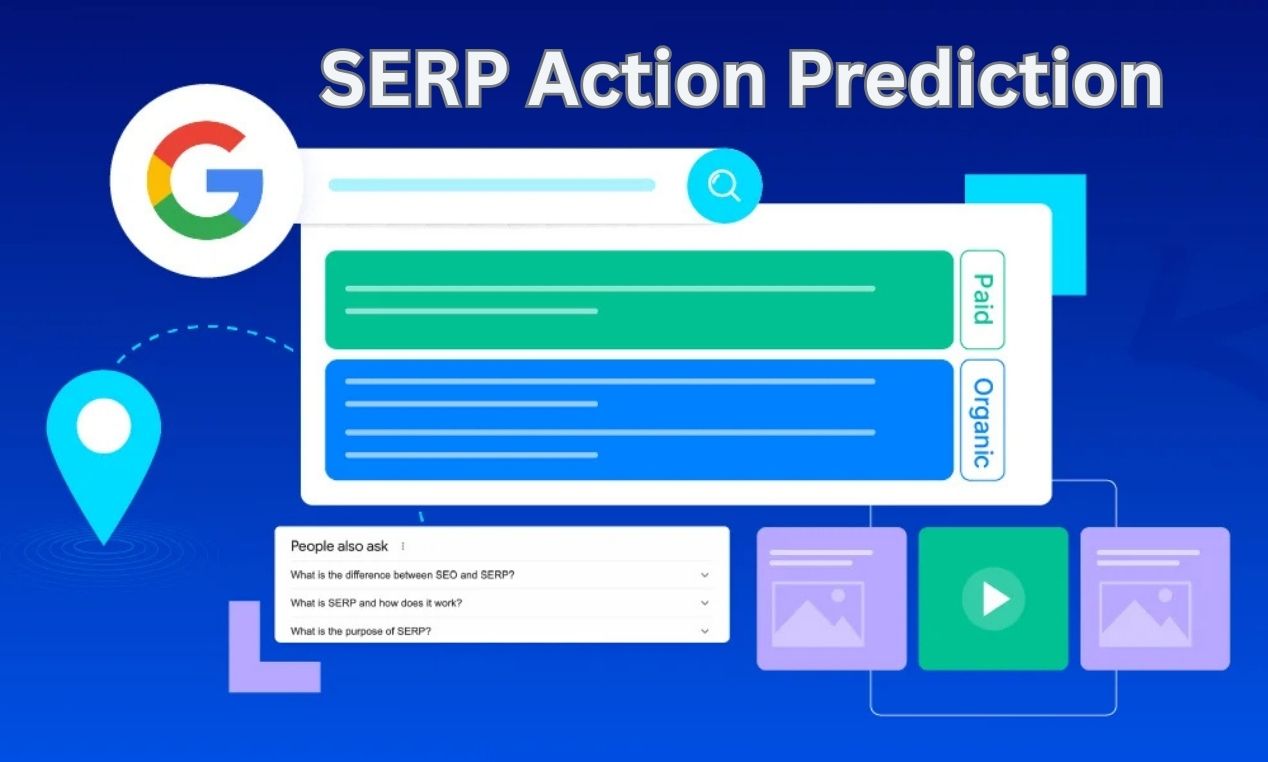
- Analyze the SERP – Look at the top-ranking pages. Are they blogs, product pages, videos, or lists? This gives clues about the dominant intent.
- Adjust Content Format – If the top results are videos, consider adding a video or visual summary.
- Optimize Keywords for Intent – Use a keyword intent checker to understand whether your target keyword is informational, transactional, or navigational.
- Match Content to Intent – Ensure your headings, subheadings, and structure directly address what the user is looking for.
How to Create Content to Satisfy User Intent and Google Ranking Factors
Creating content that satisfies both user intent and Google ranking factors is a balancing act. Here are some practical tips:
- Start with Research – Understand your audience, common questions, and the type of content currently ranking.
- Structure for Clarity – Use clear headings, short paragraphs, and bullet points. This helps Google interpret your content as well-organized and user-friendly.
- Provide Value Quickly – Answer key questions early in the content so users feel their intent is met immediately.
- Update Regularly – Intent can drift, especially for trending topics. Refreshing your content keeps it relevant.
Intent-Based SEO Strategies
Intent based SEO is all about creating a dynamic approach. Here are a few strategies to keep in mind:
- Cluster Content Around Topics – Build clusters of related pages that cover different aspects of the same user need.
- Track Intent Shifts – Monitor search trends and adjust your content when user focus changes.
- Mix Content Formats – Some users prefer videos, others prefer text or interactive tools. Providing multiple formats can capture different intent types.
- Monitor Metrics – Dwell time, click-through rate, and repeat visits give insight into whether your content matches user intent.
By using these strategies, you can stay ahead of hourly changes in user intent and maintain consistent rankings.
Keyword Intent Checker Tools
A keyword intent checker is a simple tool that helps determine the type of intent behind a search query. By using this, you can:
- Prioritize high-value keywords
- Align content format with intent
- Avoid writing content that doesn’t meet user needs
These tools make it easier to implement intent-based SEO without guessing what your audience wants.
Wrap Up
User intent is no longer static. With Intent Drift SEO, content creators need to be agile and responsive to hourly changes in what users want. By understanding the 4 types of intent in SEO, analyzing user intent examples, using a keyword intent checker, and optimizing your content to match search intent, you can improve engagement, satisfy Google’s ranking factors, and maintain strong visibility even in a shifting search landscape.
Intent-based SEO isn’t just about keywords anymore it’s about understanding people, predicting their needs, and delivering content that aligns perfectly with their goals.