When people talk about ranking on Google, they often think in terms of single keywords and single pages. But real users don’t search in such a straight line. They come with different needs, even when they use the same query.
That’s where smart page structure SEO comes in. By using intent layers, one well-planned page can serve multiple user needs and perform better in search results. Let’s look at how this works in a practical, everyday way.
Table of Contents
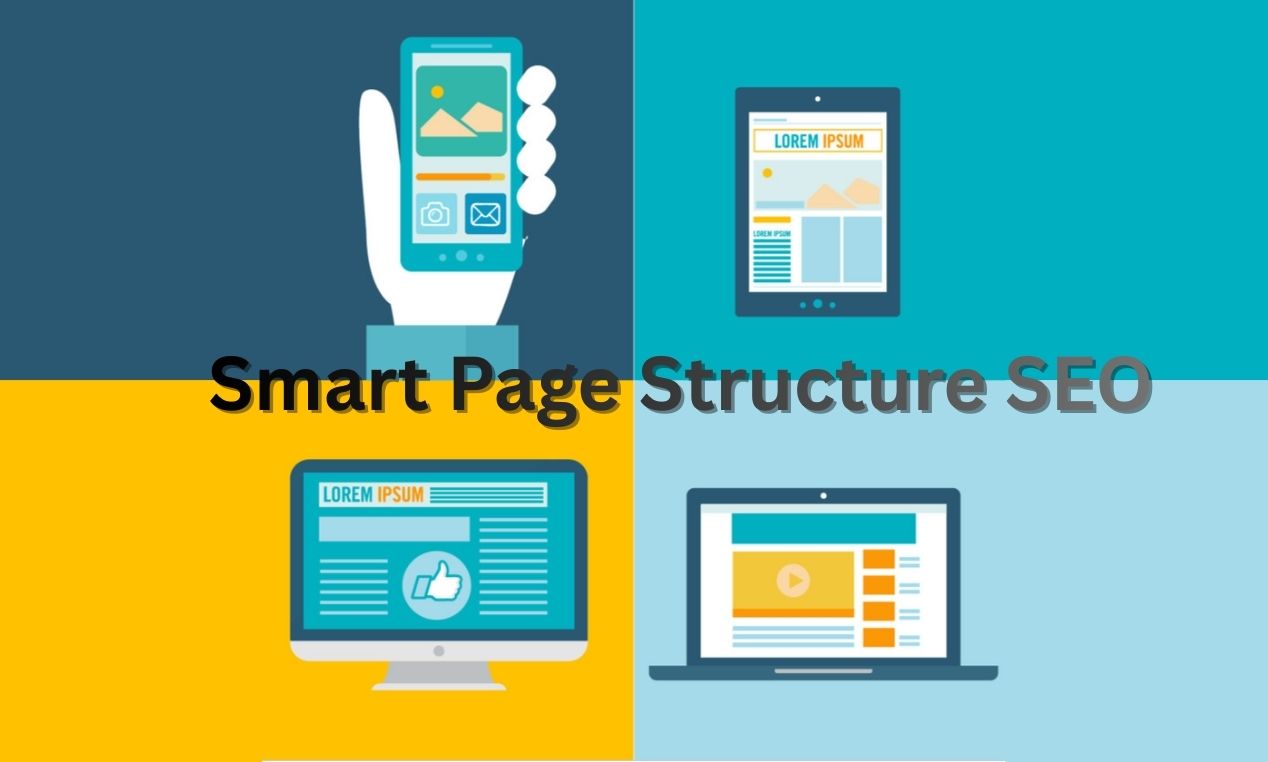
Smart Page Structure SEO
How to Improve Page Rank Through SEO with Intent Layers
If you’re wondering how to improve page rank through SEO, the first step is understanding search intent. A single keyword can have informational, navigational, and even decision-based intent behind it.
Smart Page Structure SEO doesn’t choose just one intent it layers them in a way that feels natural to the reader.
How Does On-Page SEO Improve Rankings in a Smart Structure
Many people ask, how does on-page SEO improve rankings? The answer lies in clarity and organization. On-page SEO is not only about adding keywords; it’s about guiding the reader.
When you use clear headings, short paragraphs, and logical flow, Google understands your content better. More importantly, users do too. Intent layers help here by breaking content into sections that match different questions a user might have.
Which Type of Content Is Most Effective for Improving SEO Rankings?
So, which type of content is most effective for improving SEO rankings? Content that solves more than one problem. Pages that only answer one narrow question often lose users quickly. Pages that cover the main topic plus related concerns tend to perform better.
Intent-layered content might include:
- A simple explanation for beginners
- Step-by-step guidance for learners
- Examples for practical understanding
This mix makes the page useful for a wider audience without feeling bloated.
How to Do SEO for Website Step-by-Step Using Page Structure
If you’re learning how to do SEO for website step-by-step, page structure should be high on your list. Start by mapping user intent before writing a single line.
Here’s a simple approach:
- Identify the main search question
- List related questions users might ask next
- Group those questions into sections
- Write each section clearly and directly
This method helps you build one strong page instead of several weak ones. It also makes your content easier to update over time.
How Do You Approach Both On-Page and Off-Page SEO to Improve Rankings?
A common confusion is how do you approach both on-page and off-page SEO to improve rankings? The two should support each other, not compete.
On-page SEO makes your content understandable and useful. Off-page SEO, such as backlinks, brings authority. Intent layers help on-page performance first. When users find your page helpful, it naturally attracts links, shares, and mentions. That’s when off-page SEO starts working in your favor.
How to Rank Website on Google First Page with Intent Layers
People often search for how to rank website on Google first page, hoping for a quick answer. There isn’t one shortcut, but intent-based structure gives you a solid advantage.
When one page satisfies multiple user needs, Google doesn’t have to send users elsewhere. Over time, this consistency helps the page move up. It may not happen overnight, but the rankings tend to be more stable.
SEO Strategy Example: One Page, Multiple Intents
Let’s look at a simple SEO strategy example. Imagine a page about “starting a blog.” A basic page explains what a blog is. A smart page goes further:
- What is a blog and why start one
- How to set it up step-by-step
- Common mistakes beginners make
- Tools and platforms to consider
This single page now serves multiple intents. Users stay longer, scroll more, and trust the content. Google sees this as a strong match for the query.
Why Smart Page Structure SEO Works Long-Term
Smart page structure SEO is not about chasing algorithms. It’s about understanding people. Intent layers help you think like a user and write accordingly. Instead of creating many thin pages, you build fewer but stronger ones.
Over time, these pages adapt better to updates because they are built around real questions, not just keywords.
A Short Wrap-Up
Using intent layers in a smart page structure helps you meet users where they are, no matter what stage of their search journey they’re on. By combining clear on-page SEO, thoughtful structure, and a focus on real user needs, one page can rank for multiple queries.
It’s a practical approach that supports better engagement, stronger rankings, and steady growth without relying on shortcuts or forced tactics.