

If you’ve been keeping an eye on how Google Search is shifting, you may have noticed something new many answers now appear instantly at the top of the results.
This trend, known as zero-scroll search impact, is becoming more common as Google aims to deliver faster solutions. While it may seem helpful for users, it creates a new challenge for bloggers and website owners because the Zero-Scroll Search Impact directly affects your visibility and overall traffic.
In this article, we’ll walk through what zero-scroll search impact actually means, how it influences your blog rankings, and what you can do to stay visible.
Table of Contents
Zero-Scroll Search Impact
How Zero Click Searches Affect SEO?
Before we look at zero-scroll search impact , it’s helpful to understand zero-click searches, because the two are closely connected.
For example:
- When someone searches “today’s weather”
- Or “5+7”
- Or “What is the capital of Japan?”
Google displays the answer right there on top.
So, how zero click searches affect SEO?
They reduce the number of clicks going to organic websites. Even if your content ranks on the first page, users may never visit your blog if Google already shows the answer in a featured box. This means:
- Lower traffic
- Lower CTR
- More difficulty ranking for short, direct queries
And this is exactly what you’ll see happening with zero-scroll search impact as well.
What Is Zero Ranking in SEO?
To understand zero-scroll search, you need to know what zero ranking in SEO means. This refers to the position above all organic results often known as “Position Zero.” It usually includes:
- Featured snippets
- Instant answers
- Knowledge panels
- AI-generated overviews (in some countries)
Position Zero is powerful because it captures the majority of visibility, but recently, Google started using even more space at the top of the screen. That’s why many bloggers now see a drop in their impressions even when their rankings stay the same.
Zero-Click Searches and Zero-Scroll Search: What’s the Difference?
Zero-click searches = Users don’t click any website.
Zero-scroll search = Users don’t scroll the page at all because Google fills the screen with instant results.
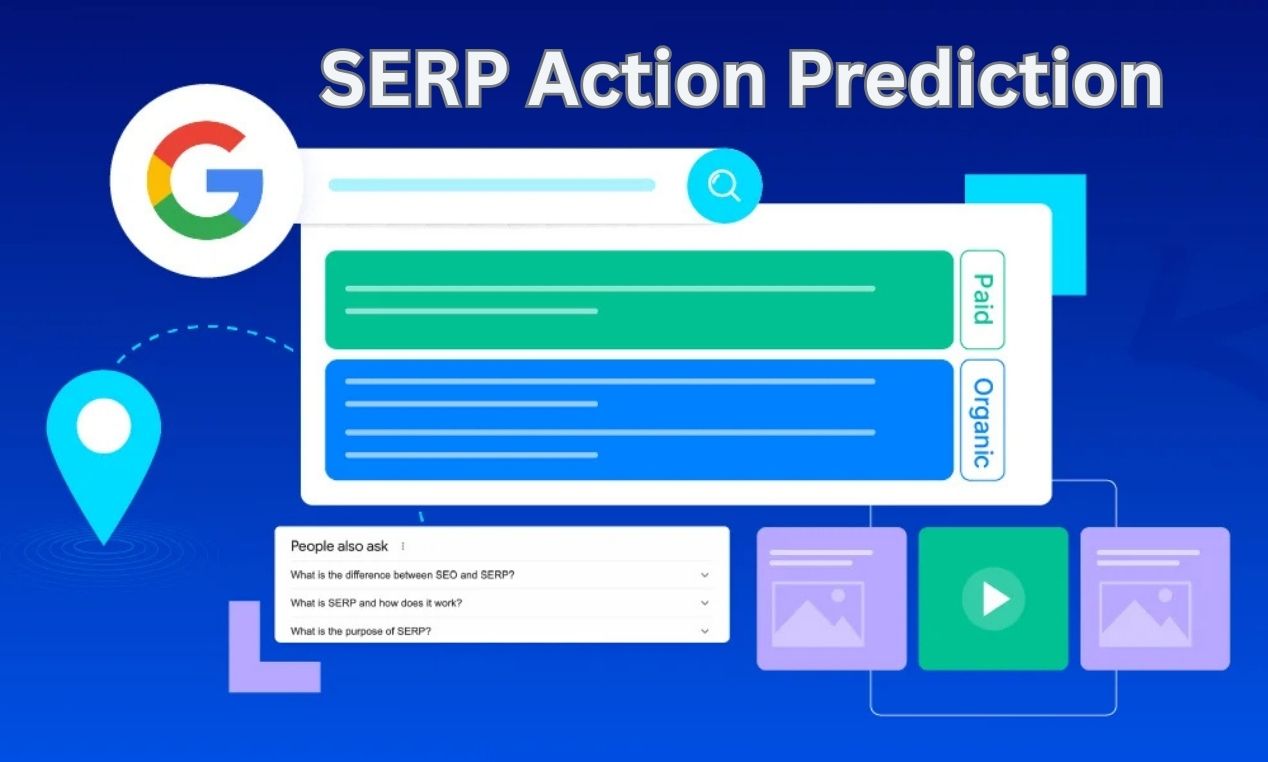
Zero-scroll search includes:
- Large AI answers
- Image packs
- Knowledge boxes
- People Also Ask sections
- Local packs
- Direct responses
With all this taking up space at the top, organic results get pushed down the screen. This is why bloggers are noticing visibility loss without any actual ranking drop.
How Do Blogs Help Improve Search Engine Rankings?
Even with the rise of zero-scroll search, blogs still play a huge role in improving rankings. Here’s why:
- Blogs help Google understand your site’s expertise
- They allow you to target long-tail keywords
- They build authority when written in clusters
- They give users deeper information than Google’s short answers
When Google can’t fully answer a question, it relies on blogs to provide:
- In-depth guides
- Personal experiences
- Step-by-step explanations
- Case studies
How to Rank for Zero Click Searches?
It may sound strange to “rank for zero-click searches,” but it’s possible if you create content that fits the structure Google displays. This means optimizing pages for:
- Featured snippets
- Definitions
- Short answers
- Comparisons
- Lists
- Tables
Here’s how you can improve your chances:
1. Add direct definitions
If someone asks “What is zero search?”, include a short, clear definition in one or two lines.
2. Use simple, structured headings
Google loves clean formatting.
3. Answer questions briefly before going into depth
Give the short answer first, then expand.
4. Use data, bullet points, and mini-lists
These formats match the way Google displays snippets.
5. Optimize for conversational queries
People search differently now — more naturally, more casually.
How Do I Improve My Google Search Ranking in a Zero-Scroll World?
Here are some practical steps bloggers can take:
Focus on long-tail searches
Short queries often trigger zero-scroll results. Long-tail keywords get more genuine clicks.
Use question-based headings
Google often pulls snippet answers from headings that match user queries.
Create detailed content clusters
A single article can rank, but a cluster can dominate a topic.
Optimize for people-first content
Google notices when your content genuinely helps users.
Keep updating older articles
Freshness signals matter more than ever.
Understand query intent deeply
If Google sees your page helping a specific intent, it rewards your content more consistently.
Conclusion
Zero-scroll search is a growing trend, and it’s changing how bloggers look at SEO. Instead of relying only on traditional rankings, it’s important to understand how Google displays information and what users actually see on the screen.
Zero-click searches , Position Zero, and snippet-driven results will continue to shape the search landscape, but with the right approach, blogs can still earn strong visibility and steady traffic.




1 thought on “Zero-Scroll Search Impact: What It Means for Your Blog Rankings”